Find Your Perfect Pair: Running Shoes That Elevate Every Run
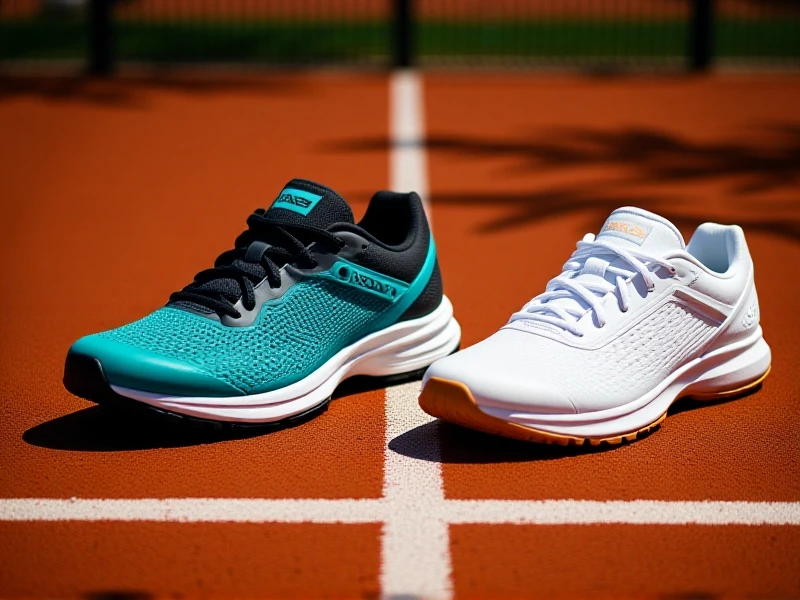
Selecting the right running shoes is the cornerstone of a comfortable, enjoyable, and injury-free running experience. Whether you're tackling your first 5K or training for an ultra-marathon, the proper Running Shoes provide essential support, cushioning, and propulsion. But with countless options claiming to be "the best," how do you find your perfect pair? Understanding your needs is key.
The surface you run on most frequently dictates crucial features. Dedicated Road Running Shoes prioritize lightweight construction and responsive cushioning for absorbing impact on hard pavement. They offer excellent energy return. Conversely, Trail Running Shoes feature aggressive lugs on the outsole for superior traction on mud, rocks, and roots. They often boast enhanced stability, added protection against debris, and a more durable build to withstand rugged terrain.
Beyond terrain, consider your individual stride. Are you a neutral runner, an overpronator (foot rolls inward excessively), or an underpronator/supinator (foot rolls outward)? Knowing your gait is vital:
- Neutral Running Shoes: Offer balanced cushioning and support for runners whose feet maintain a stable alignment.
- Stability Running Shoes: Incorporate features like medial posts or guided support rails to correct moderate overpronation.
- Motion Control Running Shoes: Provide maximum stability and support for severe overpronation.
The level of cushioning is another significant factor. Some Running Shoes deliver plush, soft landings ideal for injury-prone runners or longer distances, maximizing shock absorption. Others focus on a firmer, more responsive ride, promoting energy return and speed – often favored for tempo runs or races. Many brands now offer a spectrum of cushioning levels.
Ensure optimal Fit for Running Shoes. Your feet naturally swell during exercise. A general rule is having a thumb's width (approx. 1/2 inch) of space between your longest toe and the end of the shoe. Heels should fit snugly without slipping, and the midfoot should feel securely held. Always try on shoes later in the day and with the socks you intend to run in.
The ideal Running Shoes align with your training goals, running terrain, biomechanics, and fit preferences. Invest the time to research options or visit a specialty running store for gait analysis. Remember, worn-out Running Shoes lose their protective properties. Replace them every 300-500 miles. Your best runs start from the ground up!