Finding Your Perfect Pair: Your Ultimate Guide to Running Shoes
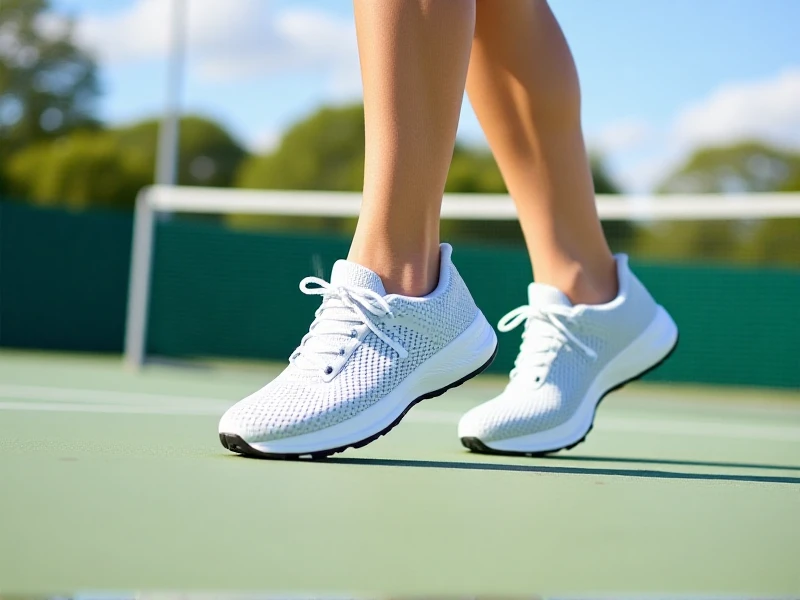
Choosing the right pair of running shoes is the crucial first step towards enjoying a healthier, more comfortable, and injury-free running journey. With countless options crowding the market, it's easy to feel overwhelmed. Fear not! This guide simplifies the process, helping you understand key factors that translate to the perfect fit and function for your feet and stride.
Why do running shoes matter? Unlike casual sneakers, they're engineered to handle the repetitive impact and varied movements involved in running. They provide essential cushioning to absorb shock, support to control motion, and traction for stability on diverse surfaces. Wearing improper footwear isn't just uncomfortable – it significantly increases your risk of common injuries like shin splints, plantar fasciitis, or knee pain.
Finding your ideal match hinges on understanding your unique gait. Do your feet tend to roll excessively inward (overpronation), outward (underpronation/supination), or stay relatively neutral? Observing wear patterns on your old shoes or getting a gait analysis at a specialty running shoes store offers invaluable insights. Brands like ASICS, Brooks, New Balance, Nike, and Saucony categorize their shoes into specific types: Motion Control for severe overpronation, Stability for mild-to-moderate overpronation support, and Neutral or Cushioned for neutral strides or supinators needing extra shock absorption.
Fit is paramount. Always try on running shoes later in the day when feet are slightly swollen. Wear the socks intended for running. Ensure a thumb's width (about half an inch) of space between your longest toe and the shoe's end. Your heel should fit snugly without slippage, and the midfoot should feel secure without pinching. Take them for a test jog or brisk walk on a hard surface in-store, if possible.
Consider the terrain. Are you primarily hitting roads? Road running shoes emphasize cushioning and smooth transitions. Trails call for trail running shoes with aggressive tread for grip, enhanced stability, and often protective features against rocks and roots. Track workouts benefit from lighter training flats.
Finally, respect the lifespan. Even the best running shoes lose their cushioning and support, typically after 300-500 miles. Listen to your body – new aches or significant midsole compression signal it's time for a replacement.
Investing time in finding the perfect running shoes is an investment in your running success and overall well-being. Visit a knowledgeable retailer, share your goals and habits, and get fitted properly. Lace up the right pair of running shoes and feel the difference with every step! Remember, proper support and comfort shouldn't require "breaking in" – the right fit feels great from the start. Don't forget good running socks, too!