Your Perfect Stride Starts Here: Finding the Best Running Shoes
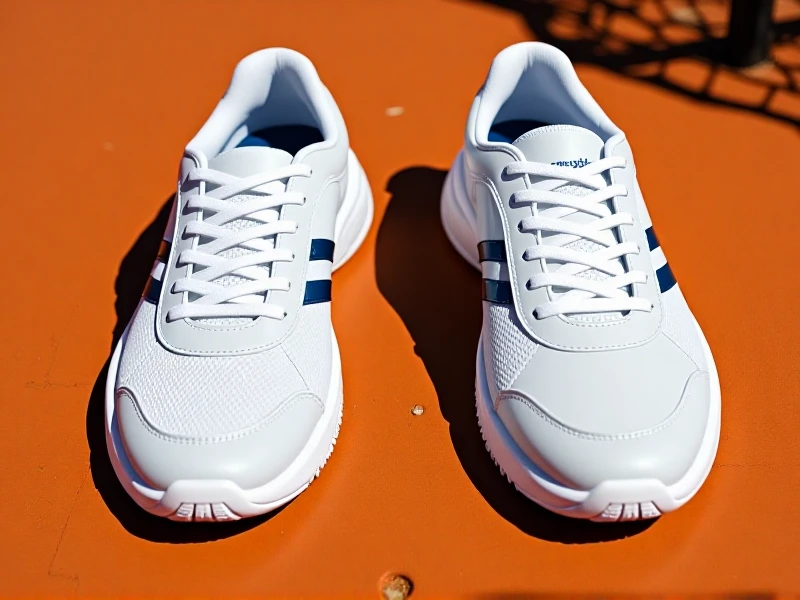
Running is a powerful escape, a fitness cornerstone, and a community. But all that forward motion hinges on one crucial element: your running shoes. Choosing the right pair isn't just about style; it's about comfort, performance, injury prevention, and ultimately, enjoying every mile. Feeling overwhelmed? Let's break down how to find your ideal match.
Fit is Fundamental: Forget the 'breaking in' myth. Running shoes should feel comfortable immediately. You need adequate length (about a thumb's width between your longest toe and the shoe's end) and sufficient width to avoid pinching. Your heel should be snug without slipping. Visit a reputable running specialty store for expert gait analysis – understanding if you're a neutral runner, overpronator, or underpronator (supinator) is essential for choosing the correct support level. Brands like ASICS (Gel-Kayano or Gel-Nimbus), Brooks (Adrenaline GTS or Ghost), and Saucony (Guide or Ride) offer excellent options across support categories.
Terrain Dictates Tread: Where you primarily run heavily influences the shoe type.
- Road Running: Look for lightweight shoes with flexible soles designed for pavement. Nike's Pegasus line and New Balance Fresh Foam models are beloved road warriors. Prioritize cushioning to absorb impact on hard surfaces.
- Trail Running: Rugged terrain demands aggressive lugs for grip, reinforced uppers for protection against rocks/roots, and often added stability. Salomon Speedcross and Hoka Speedgoat are trail tested favorites.
- All-Terrain/Paths: Versatile hybrid shoes offer trail-like grip with road-like cushioning, ideal for dirt paths or city streets with mixed surfaces.
Weight & Cushion: Personal Preference: Cushioning ranges from maximal (plush, high-stack) to minimal. Maximal shoes (Hoka Clifton, Brooks Glycerin) provide maximum shock absorption, great for long distances or joint sensitivity. Minimalist styles encourage a more natural foot strike but require adaptation. Most runners opt for moderate cushioning that balances comfort and responsiveness. Consider your weight, running distance, and sensitivity to impact.
Don't Forget the Rep: Quality running shoes have a lifespan. Experts recommend replacing them every 300-500 miles. Worn-out midsoles lose their shock-absorbing capabilities, increasing injury risk. Track your mileage or note when shoes feel less supportive.
The Final Step: Your perfect running shoe supports your unique stride, foot shape, and goals. Prioritize fit, consider your running environment, and don't underestimate expert advice from specialists. Investing time in finding the right shoe is an investment in a smoother, happier, and healthier run. Lace up, find your fit, and conquer your next run with confidence!